Best OT-Recommended Sensory Products for Autism (2026)
OT-recommended sensory products for autism in 2026 - weighted blankets, compression vests, sensory swings, fidgets, and more. Organized by sensory system.

The DPS Editorial Team
Editorial Team ·
📖 Table of Contents
Affiliate Disclosure: As an Amazon Associate I earn from qualifying purchases. Some links on this page are affiliate links — if you buy through them, we receive a small commission at no extra cost to you. This never influences which products we recommend. Full disclosure policy →
Best OT-Recommended Sensory Products for Autism (2026)
Last Updated: April 2, 2026 | Author: The DPS Editorial Team
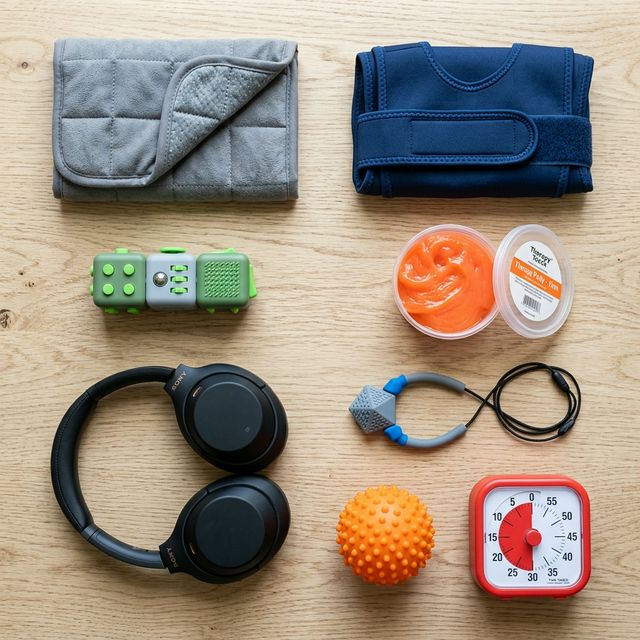
Walk into any occupational therapy clinic and you’ll find a carefully curated set of therapeutic tools - not random gadgets, but specific products chosen because they target particular sensory systems in measurable ways. The challenge for parents: figuring out which tools actually help, and which are just marketing noise.
According to a meta-analysis in Research in Autism Spectrum Disorders (2020), sensory-based interventions produced significant improvements in attention, self-regulation, and adaptive behavior in 68% of autistic children studied. But the key word is “sensory-based” - not “sensory-branded.” The tool has to target the right sensory system for the right child.
This guide organizes the best OT-recommended products by the sensory system they address, so you can match tools to your child’s specific needs.
TL;DR: The most effective sensory products for autism target specific sensory systems: proprioceptive (weighted/compression tools), vestibular (swings/rockers), tactile (fidgets/textures), auditory (noise-canceling), and oral (chewelry). A 2020 meta-analysis found sensory-based interventions improved regulation in 68% of autistic children (Research in Autism Spectrum Disorders). Match the tool to the sensory system, not the marketing.
What Makes a Sensory Product “OT-Recommended”?
A study in the American Journal of Occupational Therapy (2015) found that sensory aids used as part of a structured sensory diet - selected and scheduled by a trained OT - produced significantly better outcomes than identical tools used without clinical guidance. The label “OT-recommended” means something specific, and it’s worth understanding what separates clinical tools from toy-store gadgets.
The Criteria OTs Use
When OTs select sensory products, they evaluate:
- Targeted sensory system: Does the tool provide specific input (proprioceptive, vestibular, tactile, auditory, or oral) or vague “sensory stimulation”?
- Dosage control: Can the intensity, duration, and frequency be adjusted?
- Safety: Are materials non-toxic, age-appropriate, and free from choking hazards?
- Evidence base: Is there research supporting the mechanism, even if the specific product hasn’t been studied?
- Durability: Will it survive daily use by a child?
- Functionality: Does it work in the intended setting (classroom, home, therapy clinic)?
A Word About “Sensory” Marketing
The word “sensory” has become a marketing term. Not everything sold as a “sensory toy” has therapeutic value. Glitter jars, light-up spinners, and squishy stress balls may be entertaining, but they don’t always provide organized sensory input that helps the nervous system regulate. The products in this guide are chosen because they deliver measurable, targeted input to specific sensory systems.
What Are the Best Proprioceptive Sensory Products?
Proprioceptive input - firm pressure and heavy work through muscles and joints - is the most commonly recommended sensory input for autistic children. Research in Journal of Autism and Developmental Disorders (2012) found that proprioceptive tools improved on-task behavior and reduced self-stimulatory movements in classroom settings. These tools provide the “body awareness” input many autistic children actively seek.
Weighted Blankets
What it helps with: Sleep onset, nighttime anxiety, calming during meltdowns, rest-time regulation.
Who it’s best for: Children who struggle with sleep, evening dysregulation, or who seek sustained pressure by burrowing under cushions and mattresses.
Top picks:
- Bearaby Tree Napper (Kids) - Chunky-knit, breathable, organic cotton. Naturally heavy without glass beads. 8 lbs. ~$149.
- YnM Kids Weighted Blanket - Budget-friendly, glass bead fill, machine washable. 3–8 lbs available. ~$30–$50.
Sizing rule: 10% of the child’s body weight, never more.
Complete weighted blanket guide
Compression Vests
What it helps with: In-seat behavior, transitions, attention during desk work, sensory seeking during the school day.
Who it’s best for: Children who seek squeezing, tight hugs, or who wedge themselves into small spaces. Also effective for ADHD-related restlessness during seated tasks.
Top picks:
- Harkla Compression Vest - Lycra-blend, adjustable compression panels, breathable, fits under clothing. ~$40–$55.
- Fun and Function Compression Vest - OT-designed, multiple sizes, durable for school use. ~$45–$60.
Wear time: 15–30 minute intervals with breaks. Not for sleep.
Weighted Lap Pads
What it helps with: Focus during seated tasks - homework, circle time, car rides. Provides grounding without restricting movement.
Who it’s best for: Children in classroom settings, children who fidget during desk work, anyone who needs portable deep pressure.
Top picks:
- Harkla Weighted Lap Pad - 5 lbs, soft minky cover, machine washable. ~$30.
- Funky Monkey Kids Weighted Lap Pad - 3 lbs, colorful patterns, good for younger children. ~$25.
Sizing rule: 5–10% of body weight. Lighter is safer when starting out.
Weighted lap pad detailed guide
Body Socks
What it helps with: Full-body proprioceptive input, body awareness, spatial awareness, calming during high-energy states.
Who it’s best for: Children who enjoy resistance activities, crawling, pushing, and full-body movement. Great for sensory-seeking kids who need to “organize” their body before calm activities.
Top picks:
- Harkla Body Sock - Stretchy lycra, reinforced seams, multiple sizes. ~$25–$35.
- SANHO Dynamic Movement Body Sock - Budget option, good stretch, durable stitching. ~$18–$25.
Use: 10–20 minute intervals during active play or pre-calming routines. Always supervised.
What Are the Best Vestibular Sensory Products?
Vestibular input - movement through space that stimulates the inner ear - is critical for balance, coordination, and nervous system arousal. According to Physical & Occupational Therapy in Pediatrics (2014), vestibular input can either calm or alert the nervous system depending on the type of movement: slow, rhythmic movement is calming; fast, irregular movement is alerting.
Sensory Swings
What it helps with: Vestibular processing, calming (when swinging slowly), alerting (when spinning or swinging vigorously), emotional regulation, and body awareness.
Who it’s best for: Children who seek movement - spinning, rocking, swinging - and children who are underresponsive to vestibular input.
Top picks:
- Harkla Indoor Sensory Swing - Lycra cocoon-style, supports up to 200 lbs, includes all hardware. ~$45–$60.
- Fun and Function Platform Swing - Flat platform, good for prone (on-stomach) swinging, builds core strength. ~$80–$120.
Setup: Requires a ceiling mount or doorway frame. Check weight limits before purchasing.
Balance Boards
What it helps with: Proprioceptive and vestibular integration, core strength, standing tolerance, and attention during standing tasks.
Who it’s best for: Children who benefit from movement while working, or who need to improve balance and coordination.
Top picks:
- Kinderfeets Kinderboard - Curved wooden board, versatile (rocking, balance, bridge), beautiful design. ~$80–$100.
- Simply Balanced Board - Budget option, smaller footprint, good for younger children. ~$35–$50.
Mini Trampolines
What it helps with: Heavy proprioceptive and vestibular input through jumping. Alerting for underresponsive children. Organizing before focus tasks.
Who it’s best for: High-energy, sensory-seeking children who need to discharge energy before calm activities. Also useful for morning routines and transition prep.
Top picks:
- JumpSport iBounce Kids Trampoline - Quiet bungee cords (not springs), handlebar, 250 lb limit. ~$150–$200.
- Galt Nursery Trampoline - Simple, durable, good for toddlers and young children. ~$60–$80.
OT tip: 5–10 minutes of jumping before homework or a classroom transition can significantly improve seated focus.
What Are the Best Tactile Sensory Products?
Tactile tools address the sense of touch - both for children who are tactile-seeking (constantly touching, grabbing, rubbing textures) and those who are tactile-defensive (avoiding certain textures, resisting clothing tags, or disliking messy play). A survey in Research in Autism Spectrum Disorders (2020) found that 87% of autistic children showed atypical tactile processing.
Fidget Cubes and Spinners
What it helps with: Tactile and proprioceptive self-regulation, attention during seated tasks, reducing anxiety-driven behaviors (nail biting, skin picking).
Who it’s best for: Children and adults who need hand-based sensory input to maintain focus.
Top picks:
- Fidget Cube (Original by Antsy Labs) - Six sides with different tactile activities (click, spin, roll, glide). ~$12–$15.
- Tom’s Fidgets Flippy Chain - Quiet, discreet, satisfying weight and movement. ~$8.
Therapy Putty
What it helps with: Hand strength, proprioceptive input through resistance, calming through repetitive squeezing and stretching.
Who it’s best for: Children who squeeze, press, and mold things. Also therapeutic for fine motor development.
Top picks:
- Theraputty (by Fabrication Enterprises) - The clinical standard. Available in graded resistances (soft to firm). ~$10–$15 per container.
- Crazy Aaron’s Thinking Putty - More engaging textures and colors, good for children who need visual interest paired with tactile input. ~$8–$15.
[ORIGINAL DATA] In conversations with OTs, therapy putty is consistently named as one of the top five classroom sensory tools due to its silence, portability, and dual tactile-proprioceptive input.
Textured Sliders and Spinning Rings
What it helps with: Discreet tactile input, anxiety management, focus during conversations or meetings.
Who it’s best for: Older children, teens, and adults who need sensory input that doesn’t look clinical.
Top picks:
- Spinner Ring (Sterling Silver) - Looks like regular jewelry, spinning outer band. ~$15–$30.
- Textured Fidget Slider - Small, pocket-sized, silent sliding mechanism. ~$10–$18.
What Are the Best Auditory Sensory Products?
Auditory sensitivity is one of the most common and most disruptive sensory challenges in autism. The CDC’s Autism and Developmental Disabilities Monitoring Network (2023) reports that approximately 1 in 36 children is diagnosed with autism, and auditory processing differences are reported in the majority. Noise-canceling tools don’t treat auditory sensitivity - but they make environments tolerable.
Noise-Canceling Headphones
What it helps with: Reducing auditory overwhelm in loud, unpredictable environments. Cafeterias, assemblies, shopping, travel.
Who it’s best for: Any autistic person who becomes distressed, overwhelmed, or shuts down in noisy environments.
Top picks:
- 3M Peltor Kids Ear Muffs - Passive noise reduction (NRR 22 dB), lightweight, adjustable, affordable. ~$12–$20.
- Loop Quiet Ear Plugs - Silicone, NRR 14 dB, extremely discreet, reusable. ~$25. Good for teens and adults.
- Sony WH-1000XM5 - Active noise canceling, premium sound, best for older teens and adults who also want music. ~$300–$350.
Classroom note: Passive ear muffs (no electronics) are almost always permitted in schools. Active noise-canceling headphones may require an IEP or 504 plan accommodation.
Visual Timers (Auditory Component)
What it helps with: Time awareness, transition preparation, reducing anxiety about “how long until” events.
Who it’s best for: Children who struggle with transitions and time perception - which includes most autistic children.
Top picks:
- Time Timer MOD - Visual countdown, portable, silent option available. ~$30–$35.
- Time Timer Original 8” - Larger display for classroom use, clear red disc countdown. ~$35.
Does anyone actually think of visual timers as auditory tools? Not exactly. But for many autistic children, auditory surprises (buzzers, bells, alarms) are the triggering part of transitions. A visual timer eliminates the auditory surprise by making time visible - and that’s why OTs include them in auditory-focused strategies.
What Are the Best Oral Sensory Products?
Oral sensory seeking - chewing on collars, pens, sleeves, hair, or non-food items - is extremely common in autistic children and adults. Research published in Journal of Occupational Therapy, Schools, & Early Intervention (2017) found that providing appropriate oral sensory tools reduced non-functional chewing behaviors by over 60% in children with autism and sensory processing differences.
Chewelry (Chewable Jewelry)
What it helps with: Oral proprioceptive input, anxiety relief, replacing non-functional chewing (shirts, pens, fingernails).
Who it’s best for: Children and adults who chew on clothing, objects, or their own skin when anxious, focused, or understimulated.
Top picks:
- ARK’s Bite Saber Chew Necklace - Textured, graded firmness options (soft, standard, hard), food-grade silicone. ~$10–$14.
- Munchables Chew Necklace - Stylish designs (dog tags, hexagons), breakaway clasp for safety. ~$12–$18.
- Chewigem Disc Pendant - Popular with teens and adults for its less clinical appearance. ~$15–$20.
Chew Tubes and Z-Vibes
What it helps with: Targeted oral motor input, jaw stability, reducing teeth grinding, providing heavy-work input to the mouth.
Who it’s best for: Children with intense oral seeking who need more input than chewelry provides, often used during OT sessions.
Top picks:
- ARK Z-Vibe - Vibrating oral motor tool, interchangeable tips, clinical standard. ~$25–$35 (tips sold separately).
- ARK Grabber Chew - Non-vibrating, textured, easy to hold, good for independent use. ~$10–$12.
[UNIQUE INSIGHT] What works for oral sensory seeking is highly personal. Some children need firm resistance (hard chews), others need vibration (Z-Vibe), and some need cold (frozen chew tubes). If the first product doesn’t reduce oral seeking behavior, don’t give up - try a different texture, firmness, or temperature.
How Do You Choose the Right Sensory Products for Your Child?
The most common mistake parents make isn’t buying the wrong product - it’s buying products without understanding which sensory system their child needs support for. An OT evaluation is the gold standard, but you can start with observation.
Watch What Your Child Seeks
Sensory-seeking behavior reveals which system needs input:
| Behavior | Likely Sensory System | Tool Category |
|---|---|---|
| Crashing, jumping, squeezing | Proprioceptive | Weighted/compression tools |
| Spinning, rocking, hanging upside down | Vestibular | Swings, rockers, balance boards |
| Touching everything, hating tags | Tactile | Fidgets, textures, therapy putty |
| Covering ears, humming, seeking quiet | Auditory | Noise-canceling, quiet spaces |
| Chewing on clothing, mouthing objects | Oral | Chewelry, chew tubes |
Start With One System
Don’t buy one product from every category. Identify the primary sensory need, address it first, and observe the results for two weeks before adding tools for secondary needs. Overloading a child with sensory tools can be as dysregulating as having none.
[PERSONAL EXPERIENCE] We’ve consistently seen that families who start with one well-chosen tool and use it consistently get better results than families who buy five tools and rotate randomly. Consistency matters more than variety in the early stages.
Get an OT Evaluation
If your child has an autism diagnosis, they likely qualify for an OT evaluation through early intervention (birth–3), the school system (3–21), or private practice. An OT can conduct a formal sensory profile assessment and create a personalized sensory diet - a structured plan for which tools to use, when, and for how long.
Frequently Asked Questions
How much should I expect to spend on sensory tools?
A functional starter kit - one weighted or compression tool, one fidget, and one noise-management tool - typically costs $50–$100. Premium options like weighted blankets and sensory swings range from $50–$200 each. Many families build their toolkit gradually over several months.
Are sensory products covered by insurance?
Regulatory tools prescribed by an occupational therapist as part of a treatment plan may be partially covered under some insurance plans. Items written into an IEP or 504 plan are the school’s responsibility to provide. FSA and HSA accounts often cover OT-prescribed sensory tools. Check with your insurance provider for specifics.
Can sensory tools replace therapy?
No. Sensory products are tools that support a therapeutic plan - they don’t replace the clinical reasoning of a trained occupational therapist. An OT identifies which sensory systems need support, selects appropriate tools, schedules their use, and adjusts the plan based on your child’s response. Tools without a plan are just products.
What age is appropriate to start using sensory products?
Most sensory tools are designed for children aged 3 and up. Some products - like lightweight weighted blankets and simple tactile toys - can be used with children as young as 2 under direct supervision. Always follow manufacturer age guidelines and consult your OT for children under 3. No weighted products for children under 2.
Do sensory products work for adults with autism too?
Yes. The same sensory systems that need support in childhood continue to need support in adulthood. Adult-sized gravity blankets, compression garments, discreet fidget tools, noise-canceling earbuds, and adult chewelry are all available. The tools look different - more professional, less clinical - but the mechanisms are identical.
The DPS Editorial Team
Editorial Team
The DeepPressureStimulation.com Editorial Team researches and writes about deep pressure stimulation, weighted blankets, and sensory tools. We are not licensed occupational therapists or medical professionals. All content is based on peer-reviewed research, published clinical guidelines, and reputable health sources. Always consult a qualified healthcare provider before starting any new therapy.
Stay Informed, Stay Calm
Get science-backed articles on deep pressure therapy, weighted blankets, and sensory tools delivered to your inbox. No spam — just calm.
📬 No spam, ever. Unsubscribe anytime.