
Science
Deep Pressure Therapy for Ehlers-Danlos Syndrome (EDS)
How deep pressure therapy helps EDS — improves proprioception, reduces pain perception. 73% saw improvement with sensory stimulation. Safe tools and cautions.
· 5 min read
Explore peer-reviewed research on how deep pressure stimulation affects the nervous system, brain chemistry, and health outcomes. Evidence-based insights you can trust.
Increases mood-lifting neurotransmitter
Boosts motivation and focus
Reduces stress hormone
Activates parasympathetic response
How deep pressure therapy helps EDS — improves proprioception, reduces pain perception. 73% saw improvement with sensory stimulation. Safe tools and cautions.

Deep pressure stimulation activates the vagus nerve and parasympathetic system. Learn how DPS supports PTSD recovery, with research, tools, and cautions.
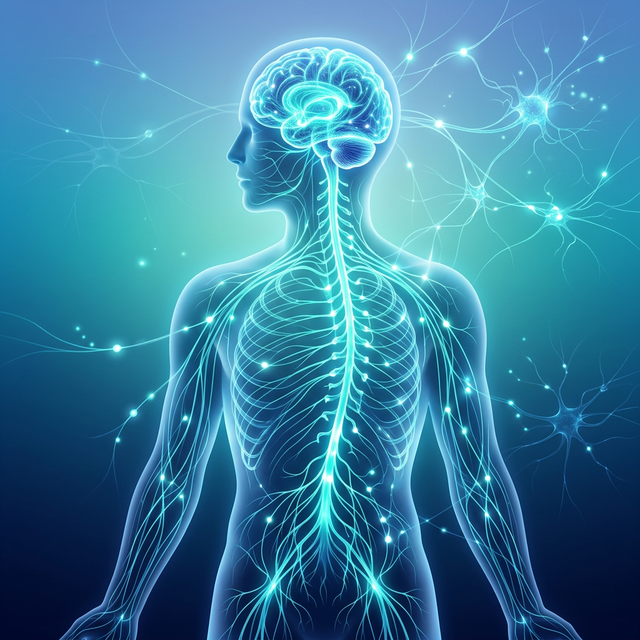
How does deep pressure stimulation work? The neuroscience of vagus nerve activation and cortisol reduction, in plain language.
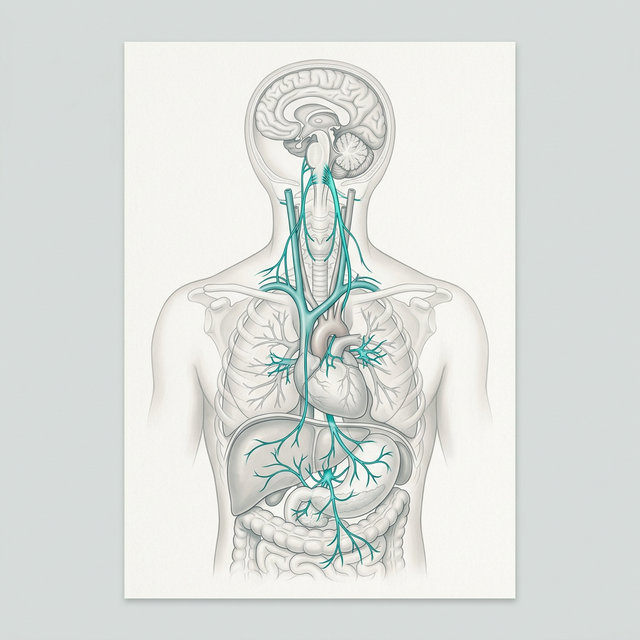
The vagus nerve is why deep pressure calms the body. Learn how it works, how to stimulate it, and what it means for anxiety and sleep.

How deep pressure therapy helps children and adults with Sensory Processing Disorder. Learn about SPD symptoms, DPS tools, and evidence-based strategies.
![Deep Pressure Stimulation: The Complete Science-Backed Guide [2026]](/images/hero/dps-guide.jpg)
Everything you need to know about deep pressure stimulation. How it works, its benefits, and how to use it for anxiety, autism, and sleep.

Evidence-based guidance on using DPS for ADHD. Weighted blankets and compression therapy to improve focus, attention, and emotional regulation.
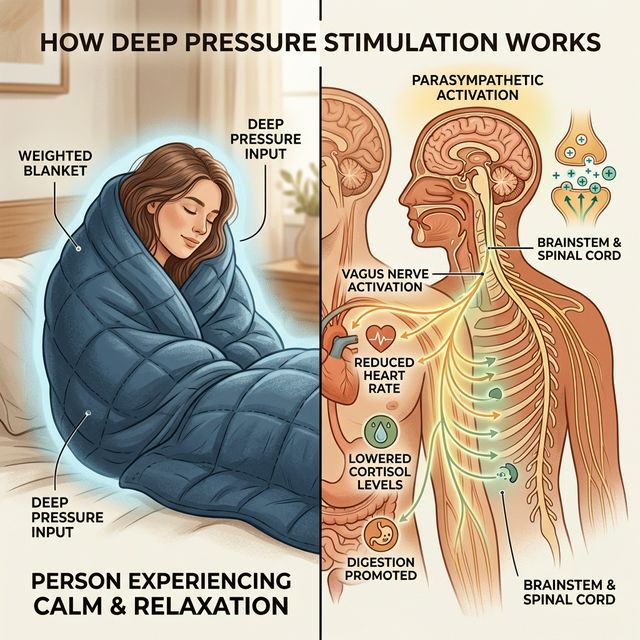
Learn everything about deep pressure stimulation therapy — how it works, who it helps, and the science behind weighted blankets and compression.
Scientific questions about deep pressure therapy.